
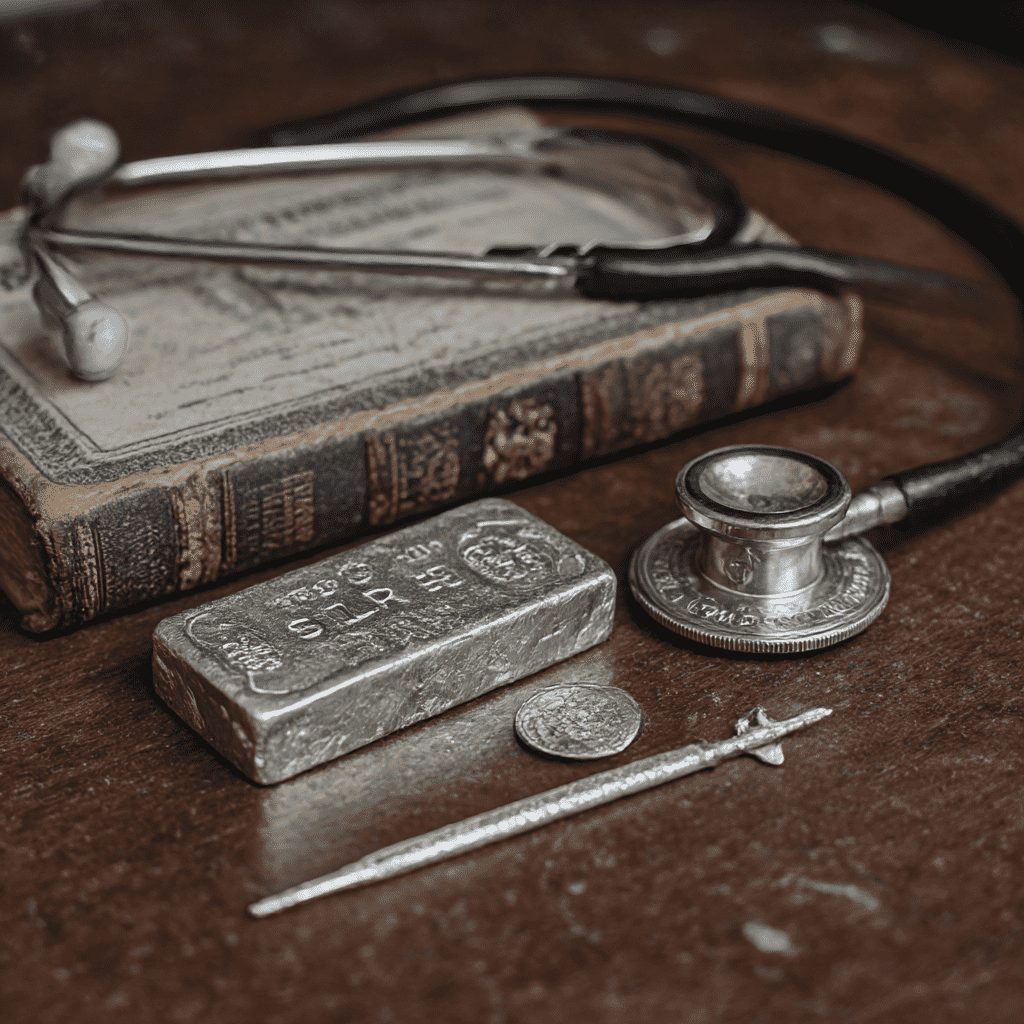
Silver has long held a place in medicine, valued for its antimicrobial properties that predate modern antibiotics. From ancient practices to today's advanced applications, silver continues to evolve, addressing persistent challenges like infection control and inflammation. This exploration traces silver's journey in healthcare, highlighting how EVOQ technology builds on this legacy with metamaterial solutions that enhance safety, efficacy, and sustainability. By delivering stable, non-ionic metamaterials like EVQ-218, EVOQ technology positions silver as a vital tool in combating antimicrobial resistance and improving patient outcomes.
Historical uses of silver in medicine (19th century onward)
Silver's role in healthcare gained prominence in the 19th century as an antiseptic agent. Surgeons like J. Marion Sims in the United States adopted silver wire sutures in the 1840s for gynecological procedures, noting fewer infections than with silk or catgut alternatives. In Europe, Carl Credé introduced silver nitrate eye drops in 1881 to prevent gonococcal ophthalmia neonatorum, a leading cause of newborn blindness. This method drastically reduced infection rates and became a standard practice worldwide.
By the early 20th century, before antibiotics dominated, silver formulations like colloidal silver and silver salts treated eye infections, chronic wounds, and mucous membrane conditions. Products such as Protargol and Argyrol addressed gonorrhea and prevented blindness. The 1916 Merck Index listed 18 silver-based medicines, underscoring its status as a pre-antibiotic staple. During World War I, medics applied silver leaf and salts to battlefield wounds, improving survival rates from otherwise fatal infections.
The mid-20th century brought penicillin and other antibiotics, shifting silver to niche roles. Silver nitrate persisted for neonatal eye prophylaxis, and silver sulfadiazine (SSD) cream, developed in the 1960s, became essential for burn care by combining silver's antimicrobial action with a sulfa drug. Globally, cultures contributed: Ayurvedic medicine in South Asia used silver ash for immunity, Russia ionized silver for water sterilization in space missions, and Japan and China pioneered silver-infused polymers for devices.
Historical application (19th-20th Century) | Modern application (late 20th-21st century) |
|---|---|
Antiseptic eye prophylaxis: 1–2% silver nitrate drops for newborns (Credé’s method) | Ophthalmic infection control: antibiotic eye drops have replaced AgNO3; some countries still use povidone-iodine, but Credé’s solution is of historical interest. |
Wound care: Topical silver nitrate solutions and silver foil to treat burns and chronic wounds. WWI medics used silver leaf on battle wounds. | Wound care: Silver sulfadiazine cream for burns (introduced 1960s); modern silver dressings (e.g. silver impregnated alginate or foam) for infected wounds.10 Nanocrystalline silver coatings (e.g. Acticoat) promote healing in contaminated wounds. |
Sutures and instruments: Silver wire sutures in surgery to reduce infections; silver probes and catheters used experimentally for their antiseptic effect. | Medical devices: Silver-coated catheters (urinary Foley catheters) and endotracheal tubes to reduce healthcare-associated infections.11 Silver-coated surgical tools and implant coatings (orthopedic pins, heart valves) under development to prevent biofilms. |
Internal treatments: Orally administered colloidal silver and silver salts for infections like syphilis, gonorrhea, tropical diseases. Some success in preantibiotic era, but also cases of argyria (skin turning blue-grey) from overuse. | Pharmaceuticals: Silver is seldom used internally today. Silver-based drugs are limited to topical use (e.g. silver sulfadiazine) and specialty uses. A modern example is silver diamine fluoride in dentistry,7 a topical agent to arrest tooth cavities and reduce sensitivity (FDA-cleared in 2014). |
Water and food safety: Storing water in silver vessels (folk practice in Asia/ Middle East) to prevent spoilage; silver coins placed in milk jugs to retard bacterial growth (anecdotal practice in frontier North America). | Infection control and consumer products: Silver integrated into water filtration systems and certain hospital surfaces (e.g. silver-coated door handles, bedding) to reduce microbial load. Consumer goods (refrigerators, washing machines, wound dressings) advertise “nano-silver” for its antimicrobial properties, though these blur the line between medical and general use. |
Historical Application (19th-20th Century) Modern Application (Late 20th-21st Century) Antiseptic eye prophylaxis: 1-2% silver nitrate drops for newborns (Credé's method). Ophthalmic infection control: Antibiotic drops have replaced silver nitrate in many places, though some regions retain it. Wound care: Topical silver nitrate solutions and foil for burns and chronic wounds; WWI medics used silver leaf. Wound care: Silver sulfadiazine cream for burns (1960s); modern silver dressings (e.g., impregnated alginate) for infected wounds. Sutures and instruments: Silver wire sutures to reduce infections; experimental silver probes and catheters. Medical devices: Silver-coated catheters and endotracheal tubes to prevent healthcare-associated infections. Internal treatments: Colloidal silver for infections like syphilis; risks included argyria (blue-gray skin discoloration). Pharmaceuticals: Limited to topical use (e.g., silver sulfadiazine); silver diamine fluoride for dental caries (FDA-cleared 2014). Water and food safety: Silver vessels or coins to prevent spoilage (folk practices in Asia, Middle East, North America). Infection control: Silver in water filtration and consumer products like coatings on door handles and bedding.
These developments laid the foundation for silver's enduring utility.
Mechanisms of antimicrobial and anti-inflammatory action
Silver exhibits an oligodynamic effect, where low concentrations kill bacteria, fungi, algae, and some viruses through multiple pathways, reducing resistance risks compared to antibiotics. Silver ions disrupt bacterial cell walls, bind to proteins and DNA, and generate reactive oxygen species that damage cellular components.
Beyond antimicrobials, silver offers anti-inflammatory benefits. Metamaterial forms of silver down-regulate cytokines like TNF-α and IL-6, suppressing chronic inflammation. In wound models, this dual action—killing microbes while calming inflammation—promotes healing by reducing exudate and supporting tissue repair.
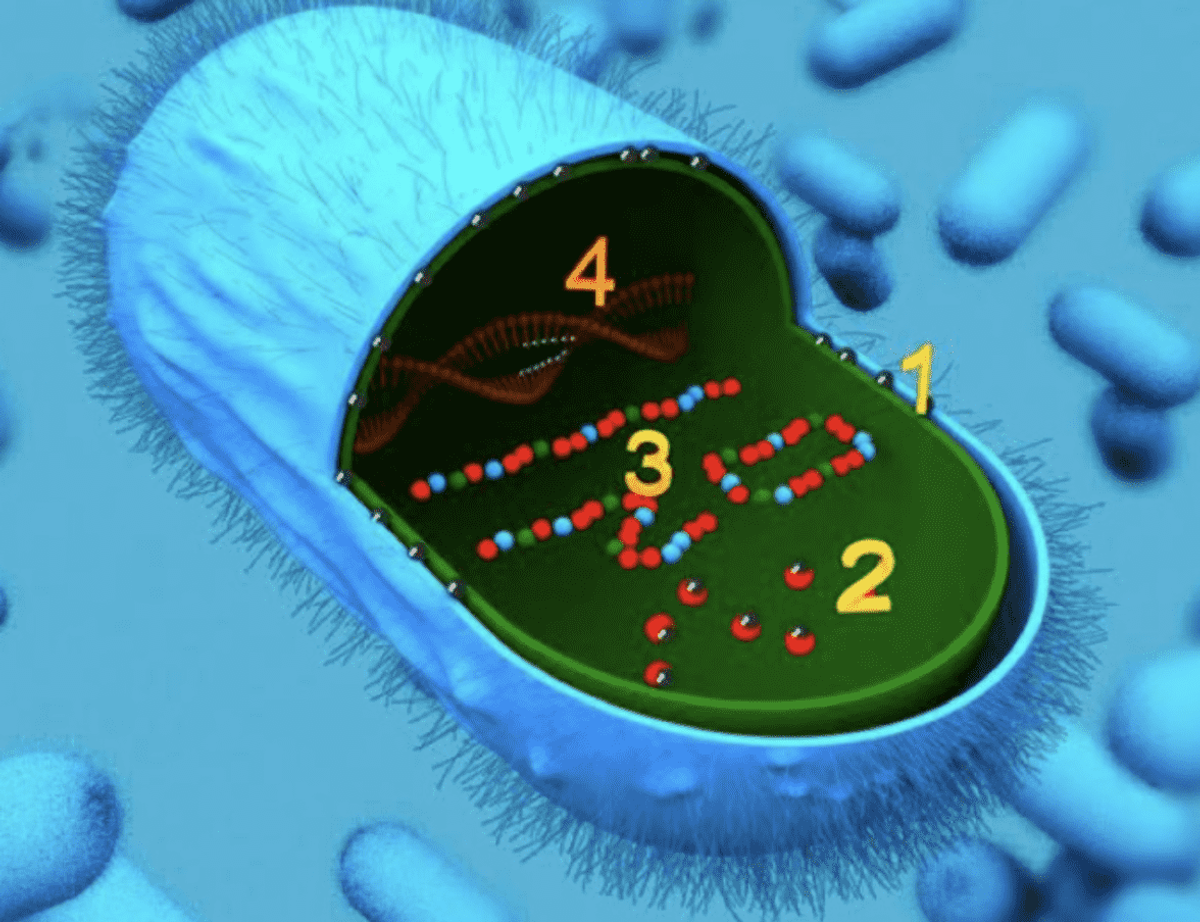
- Silver can perforate the peptidoclycan cell wall
- Silver inhibits the cell respiration cycle
- Metabolic pathways are also inhibited when in contact with silver
- Replication cycle of the cell is disrupted by silver particles via interaction with DNA
EVOQ technology enhances these mechanisms with EVQ-218, a non-ionic silver metamaterial that targets bacterial metabolism without triggering resistance signals. By starving bacteria of sulfur essential for energy production, EVQ-218 causes internal cell death, maintaining intact walls and minimizing mutation risks.
Modern medical uses of silver
In wound care, SSD cream remains on the WHO's Essential Medicines List for burns, though newer dressings often outperform it in healing speed per Cochrane reviews. Advanced silver dressings, infused with metamaterials, release ions continuously for chronic ulcers and high-risk wounds. Guidelines recommend short-term use on infected sites to avoid delaying healing in clean areas.
Silver-coated devices combat infections: Urinary catheters reduce bacteriuria, endotracheal tubes lower ventilator-associated pneumonia rates, and orthopedic implants prevent post-surgical complications. Emerging uses include cardiac devices and surgical tools with silver layers.
Pharmaceutically, silver diamine fluoride arrests dental caries, while experimental combinations with antibiotics target resistant lung infections. EVOQ technology integrates EVQ-218 into devices and therapeutics, enhancing penetration for conditions like cystic fibrosis.
Efficacy and scientific evidence
Clinical evidence supports silver's role in infection prevention. Meta-analyses show silver dressings modestly accelerate venous ulcer healing and reduce bioburden. For devices, studies report lower infection rates with silver-coated catheters and tubes, with one multicenter trial noting delayed pneumonia onset.
Anti-inflammatory effects appear in reduced cytokine levels in wound fluid, aligning with lab data. While not a systemic antibiotic replacement, silver excels in surface protection, especially amid rising resistance.
Safety, limitations, and challenges to wider adoption
Silver's topical safety is strong, with low absorption, but overuse risks argyria or cytotoxicity, impairing cell growth. Resistance, though rare, involves genes like the sil operon, prompting prudent use.
Costs limit adoption: Silver products are pricier, requiring ROI justification. Regulatory scrutiny—FDA bans unproven colloidal silver claims, EMA evaluates biocides—ensures safety but slows innovation. Environmental concerns, like silver runoff impacting aquatic life, add scrutiny.
Perspectives from regulatory bodies
The FDA approves silver devices and topicals but warns against ingestibles. EMA regulates dressings as devices, prohibiting unsupported claims. WHO endorses SSD for burns but debunks viral cure myths, setting water limits at 0.1 mg/L. Consistent global oversight balances benefits and risks.
Looking to the future
Silver's history—from 19th-century antiseptics to modern metamaterials—demonstrates its adaptability. EVOQ technology advances this legacy with EVQ-218, delivering scalable, stable solutions that address resistance without toxicity. As challenges like superbugs grow, EVOQ technology offers precision and sustainability, proving silver's enduring impact in healthcare. Explore how EVOQ enhances safety and efficacy—contact us today.