Abstract
EVQ-218 is a novel silver nanoparticle (AgNP) developed to meet the National Earthquake Engineering Simulation Consortium’s (NEESC) Nanotechnology Characterization Laboratory’s (NCL) standard assay cascade protocols for use in medical and other applications. A patented laser ablation process enables the production of uniform, stable, and nonemissive AgNPs, without the use of coatings or surfactants, exhibiting a unique surface chemistry that imparts long-term stability and shelf life. Comparison to NIST-traceable standards confirms that EVQ-218 meets and exceeds expectations for particle sizing, surface chemistry, and dissolution characteristics. The nonemissive nature of EVQ-218 eliminates a primary concern for the environmental impact of AgNPs, making it an attractive candidate for a wide range of applications.
Introduction
Silver nanoparticles (AgNPs) have been employed in a wide range of applications from textiles to medical devices, yet concerns about environmental impact due to ion leaching have limited their use. EVQ-218 is a novel AgNP designed to address this issue, manufactured through a patented laser ablation method that produces uniform, stable, and nonemissive nanoparticles without coatings or surfactants. This study characterizes EVQ-218 against NIST-traceable standards, focusing on particle size, surface chemistry, and dissolution behavior in various media, including deionized (DI) water, moderately hard water (MHW), and artificial alveolar fluid (AAP). The results demonstrate EVQ-218’s superior stability and potential for applications requiring long-term performance.
Experimental section
Materials
EVQ-218 was manufactured by EVOQ Nano (Salt Lake City, UT, USA). NIST-traceable silver nanoparticle standards (nanoComposix, catalog no. AGPB10-10M) were used for comparison. Solutions of MHW (80–100 mg/L CaCO₃) and 20X-AAP were prepared according to standard protocols. DI water was used as a control medium. Silver nitrate (AgNO₃) was used for ion exposure studies.
Particle sizing
Particle sizing was conducted using dynamic light scattering (DLS) and transmission electron microscopy (TEM). DLS measurements were performed using a Malvern Zetasizer Nano ZS, with samples diluted to 10 mg/L in respective media. TEM imaging was carried out using a JEOL JEM-2800 Scanning Transmission Electron Microscope (STEM) with carbon or SiO₂ support films. Particle size distributions were validated against NIST-certified polystyrene nanoparticles (Thermo Scientific Nanosphere 3202A, 20 nm, lot number 2114676).
Surface chemistry and dissolution
Surface chemistry was analyzed using STEM with energy-dispersive spectroscopy (EDS) and electron energy loss spectroscopy (EELS). Dissolution studies employed inductively coupled plasma optical emission spectroscopy (ICPOES) and silver ion selective electrode (ISE) measurements using an Oakton Silver/Sulfide Combination ISE, calibrated at 0, 1, 5, and 10 mg/L. Samples were tested in DI water, MHW, and 20X-AAP, with ultracentrifugation at 150,000g for 6 h to assess precipitation.
Stability and ion emission
Stability was assessed through zeta potential measurements and kinetic dissolution studies. EVQ-218 and NIST nanoComposix samples were compared for ion emission using ISE and ICPOES, with particular attention to the nonemissive properties of EVQ-218.
Results and discussion
Particle characterization
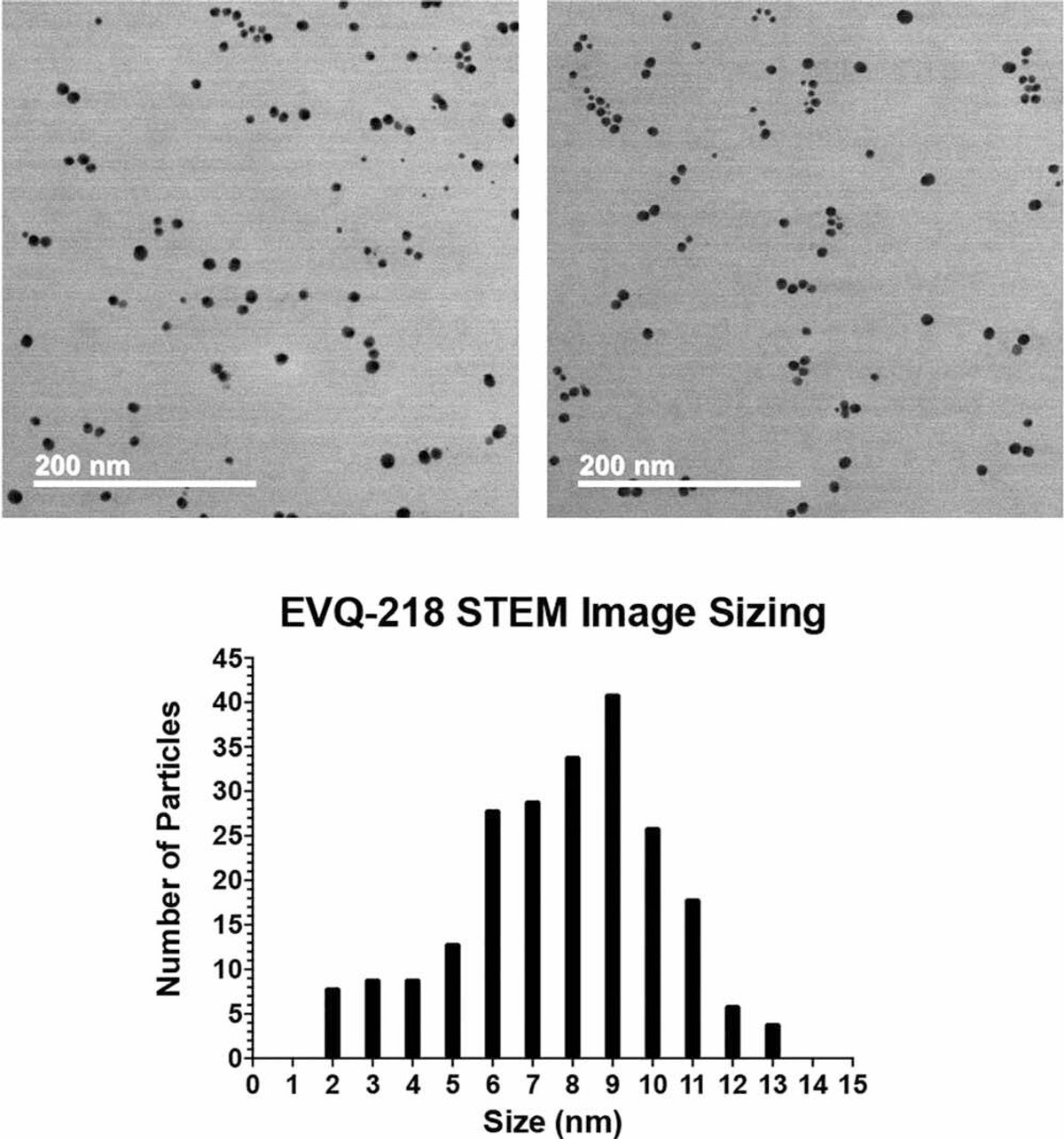
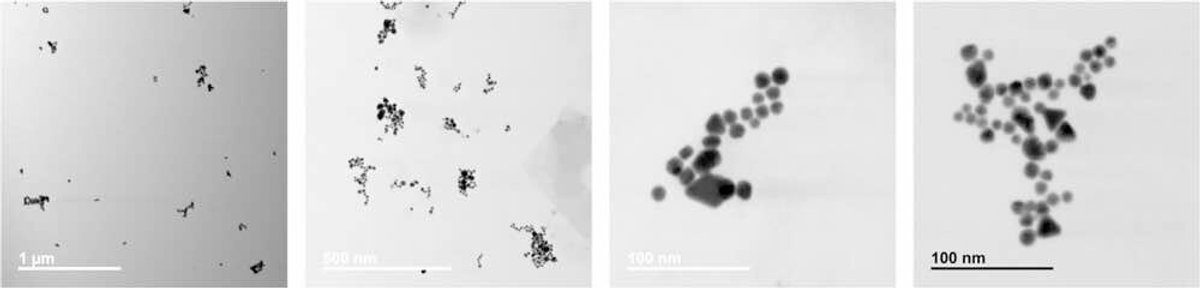
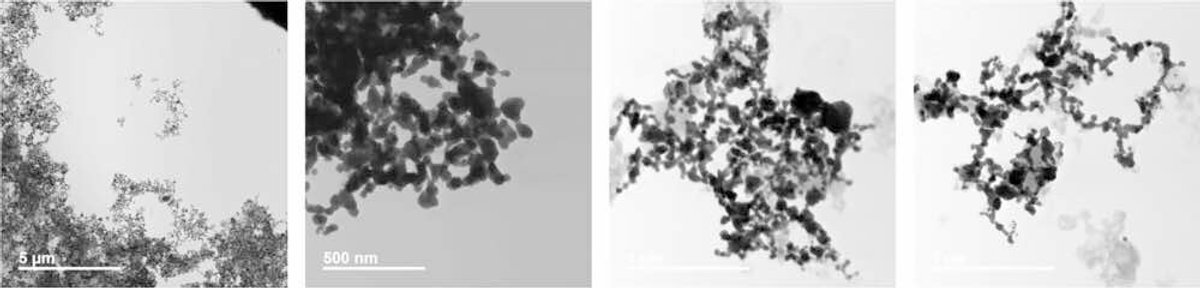
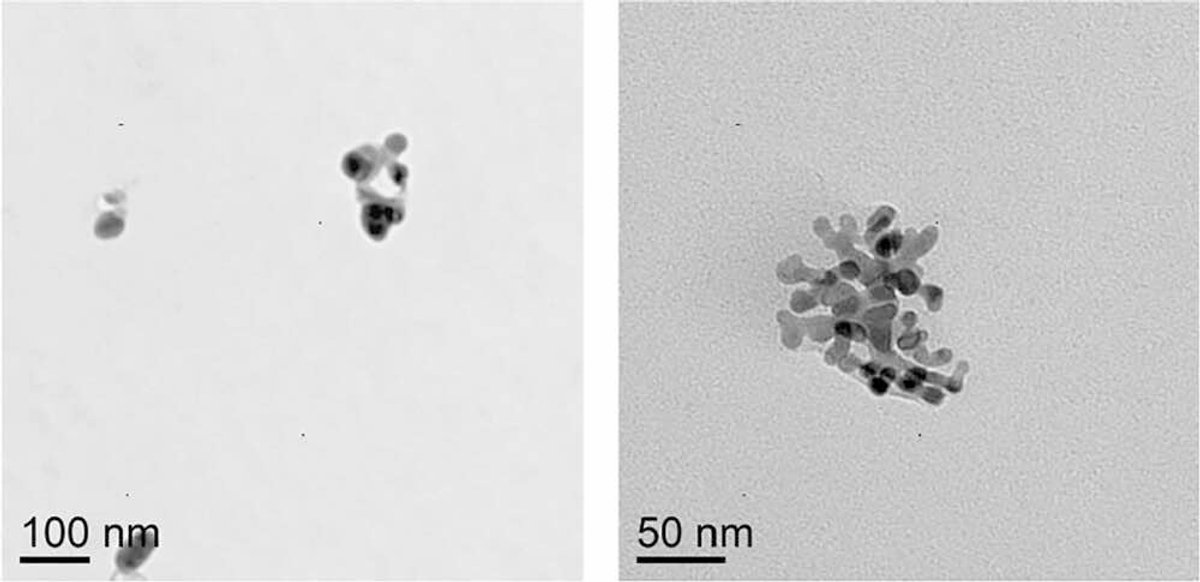
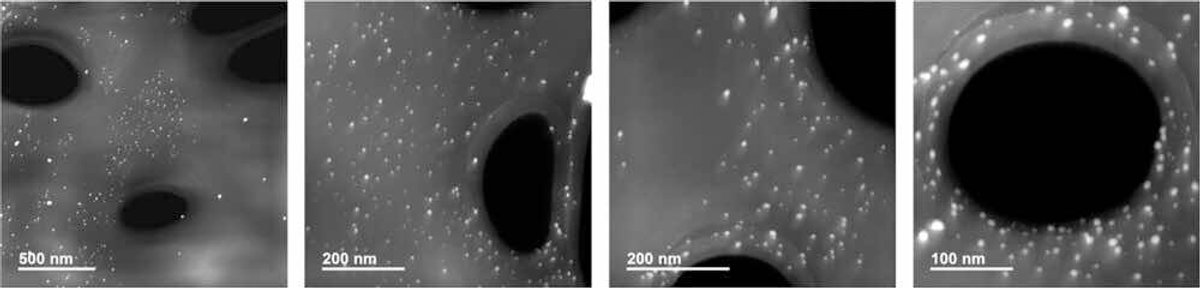
EVQ-218 exhibits uniform spherical morphology with a narrow size distribution, as confirmed by STEM imaging. The nanoparticles show minimal grouping and no significant agglomeration, maintaining equidistant spacing in higher-density areas, indicative of robust stability in water. In contrast, NIST nanoComposix AgNPs, which are citrate-coated, also show uniform spacing but rely on the citrate shell to prevent agglomeration (see Figure 1).
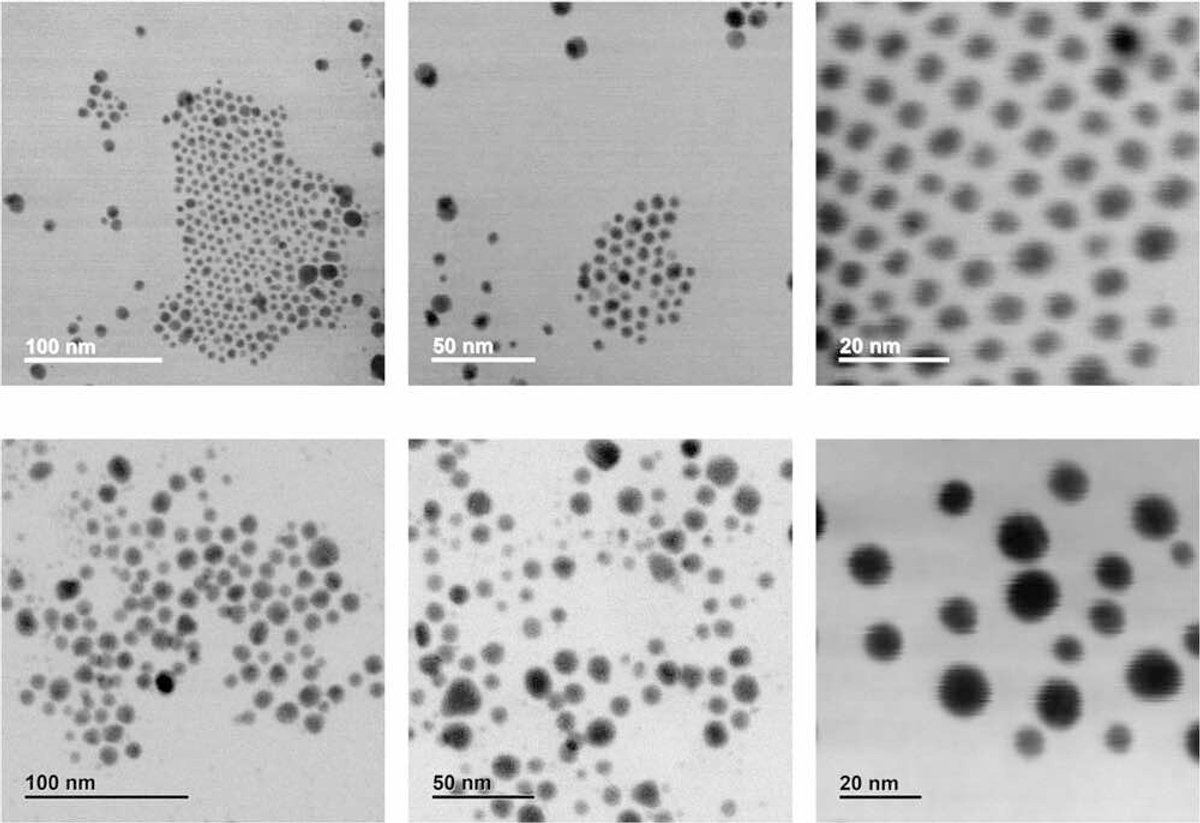
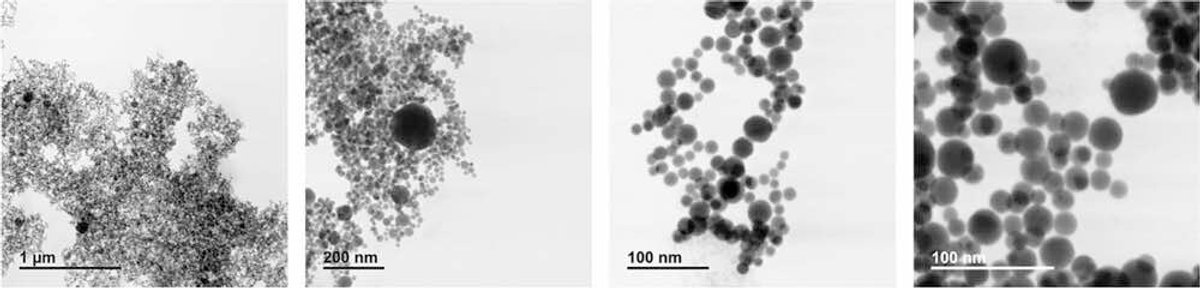
Higher magnification STEM images reveal that EVQ-218 maintains its spherical nature post-deposition and evaporation, unlike NIST nanoComposix, which shows slight variations in particle shape (See Figure 3).
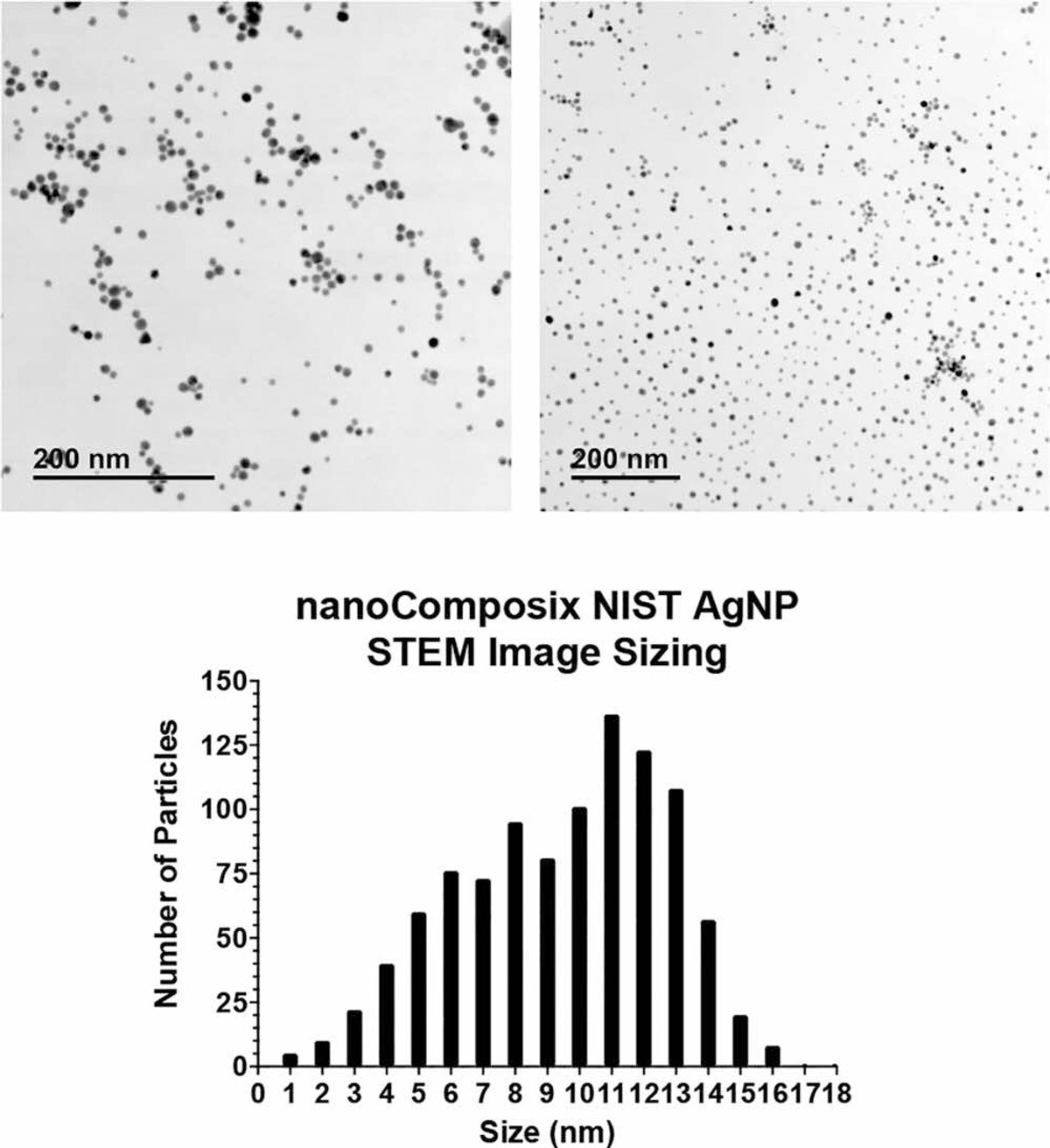
DLS measurements provide particle size profiles for EVQ-218 and NIST AgNPs in various media ([Insert Figure 6 image here]). EVQ-218 in DI water and MHW shows a consistent size distribution, with minimal changes over 48 h, whereas NIST AgNPs in MHW exhibit increased particle size due to citrate shell interactions with mineral ions. In 20X-AAP, both samples show precipitation, but EVQ-218 retains a significant fraction of 2–5 nm particles post-ultracentrifugation, indicating greater stability (See Figure 6).
| — | Particle size (diameter nm) | Number density (NP/mL) | Specific surface area (m 2 /g) |
|---|---|---|---|
d(10) | 3.9 | 3.2 x 10 13 | 148.5 |
d(50) | 8.0 |
| 71.1 |
d(90) | 10.8 | 1.5 × 10 12 | 53.1 |
| — | Particle size (diameter nm) | Number density (NP/ml) | Specific surface area (m 2 /g) |
|---|---|---|---|
d(10) | 8.5 | 3.0 × 10 12 | 67.5 |
d(50) | 11.5 | 1.2 × 10 12 | 49.9 |
d(90) | 13.7 | 7.0 × 10 11 | 41.6 |
Dissolution and ion emission
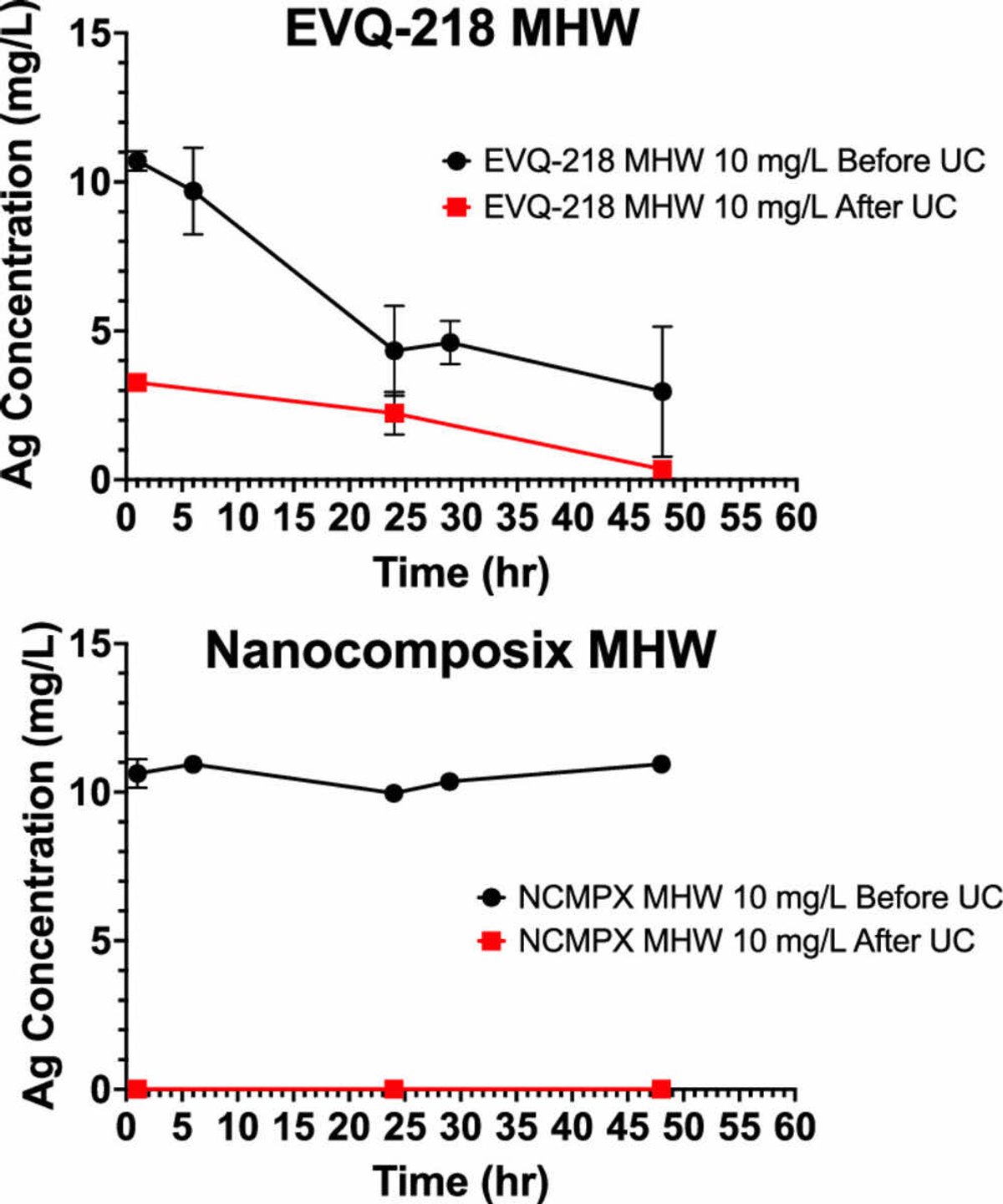
ICPOES results show that EVQ-218 has significantly lower ion emission compared to NIST nanoComposix in all tested media ([Insert Figure 7 image here]). In MHW, EVQ-218 precipitates trace levels, while NIST nanoComposix shows rapid destabilization and a color change to red-orange, indicative of agglomeration (See Figure 7). In 20X-AAP, both samples precipitate, but EVQ-218 retains lower ion levels, aligning with its nonemissive nature.
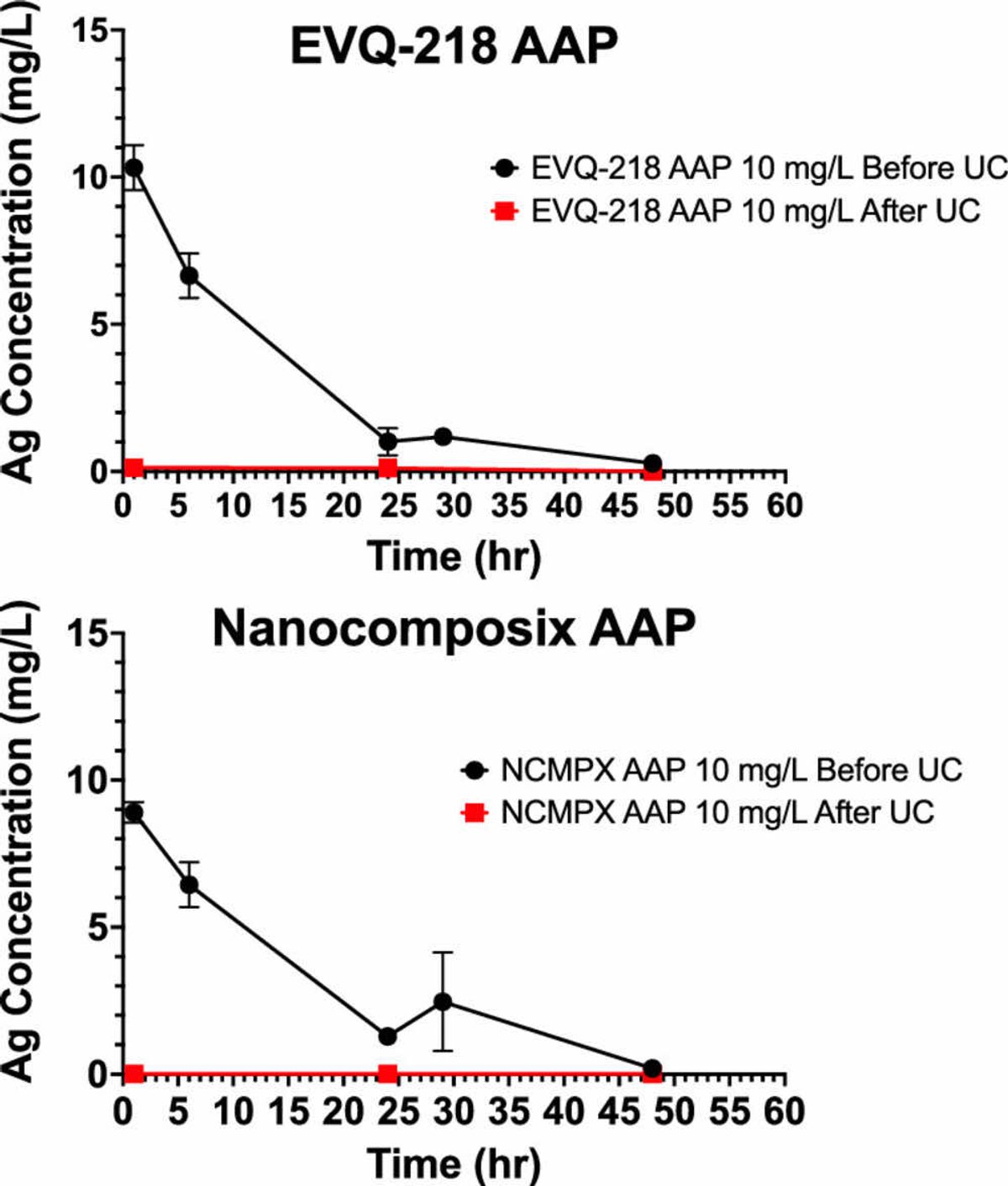
ISE measurements reveal negligible ion content for EVQ-218 in DI water and 20X-AAP, with slight false positives in MHW due to possible electrode surface interactions (See Figure 2).
Surface chemistry
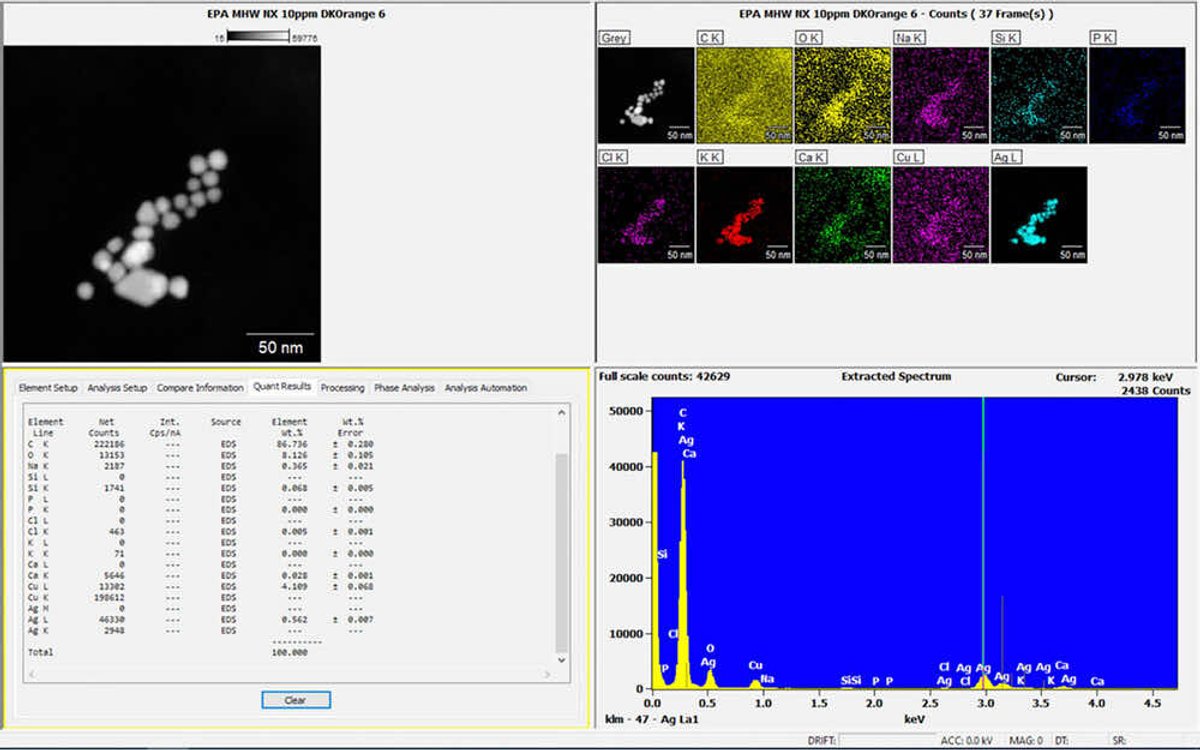
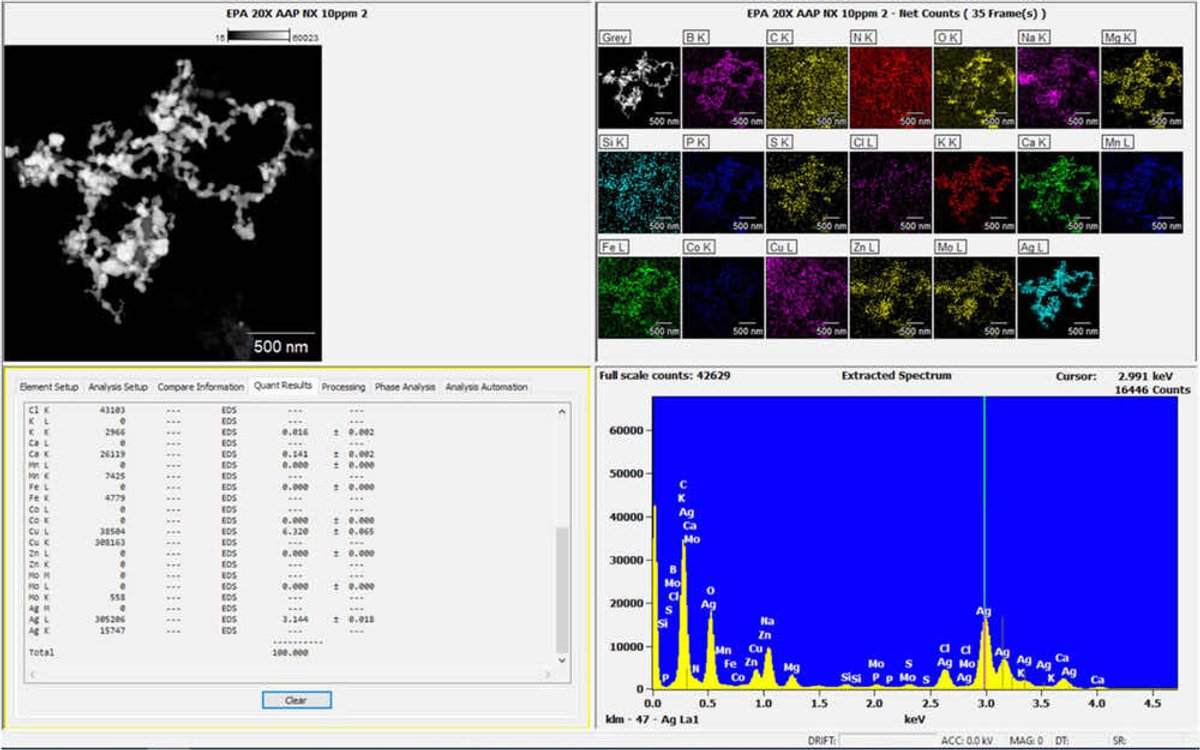
STEM-EDS analysis of EVQ-218 exposed to MHW shows precipitation with distinct Ca, C, and O signals, indicating mineral interactions ([Insert Figure 9 image here] and [Insert Figure 10 image here]). In contrast, NIST nanoComposix in MHW shows minimal mineral overlap due to the protective citrate shell (See Figure 13) and (See Figure 14). In 20X-AAP, EVQ-218 precipitates retain spherical morphology, while NIST nanoComposix shows increased agglomeration and cocrystallization (See Figure 15) and (See Figure 16).
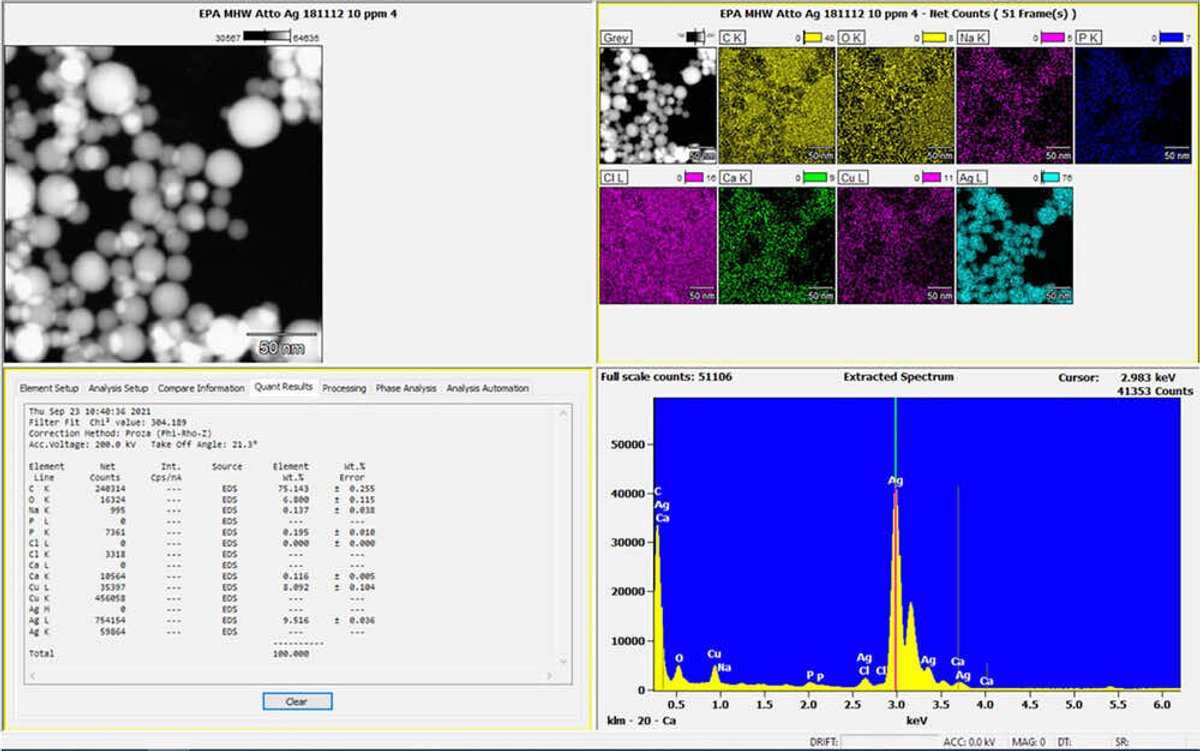
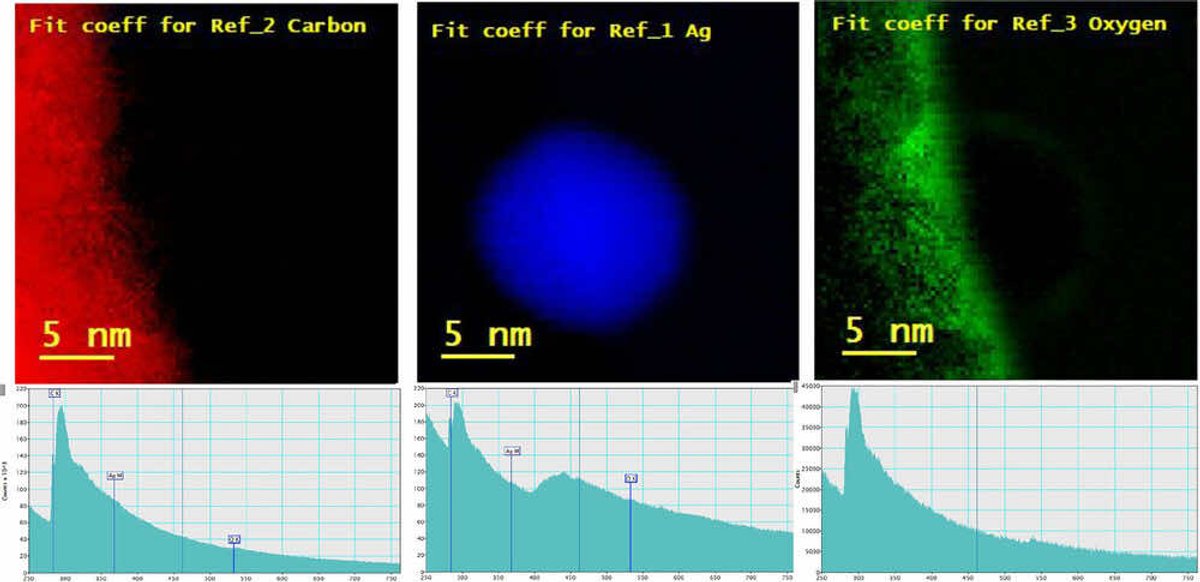
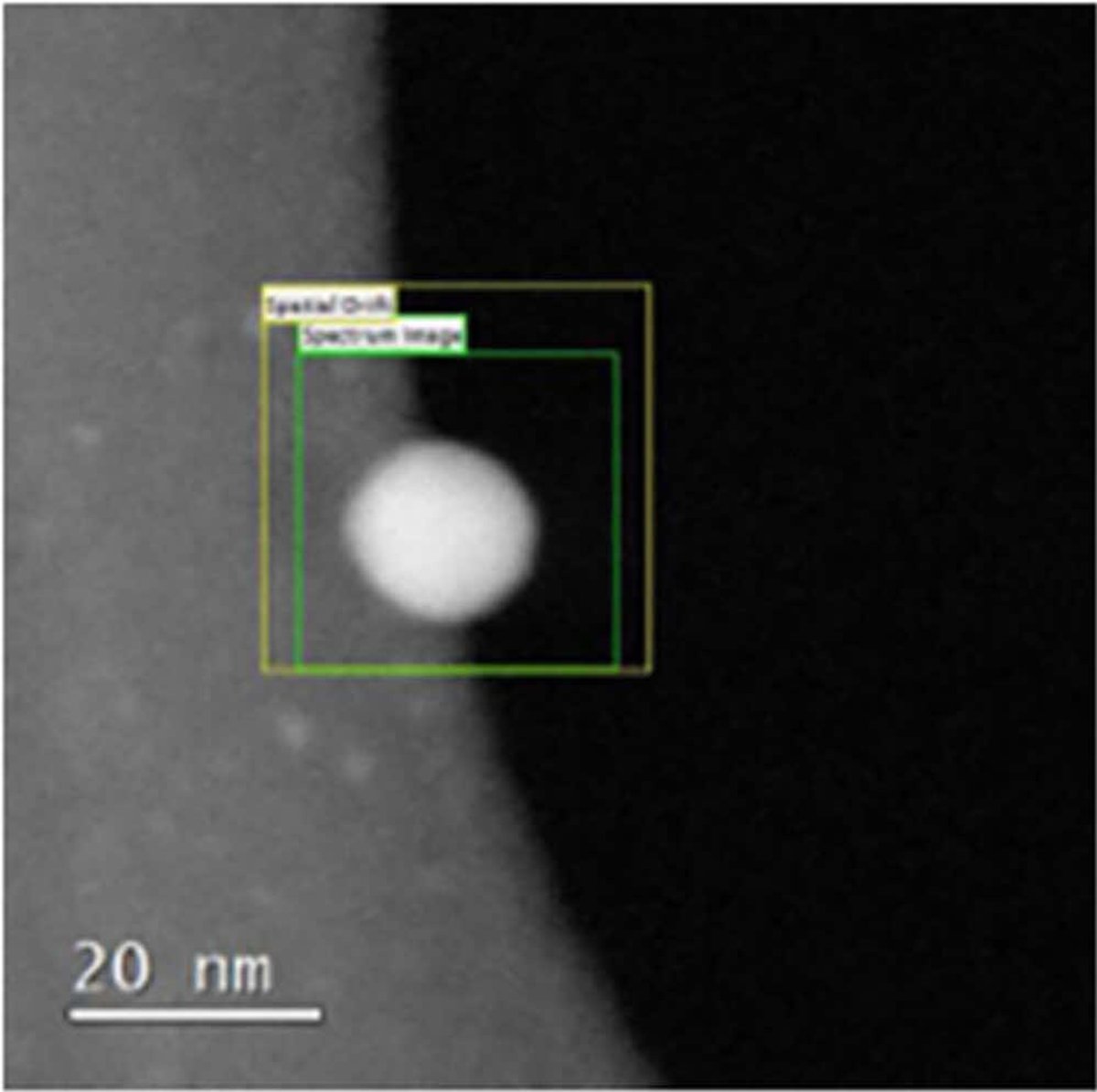
EELS analysis confirms that EVQ-218 is a “bare” particle with no oxygen content, unlike NIST nanoComposix, which shows citrate-related oxygen signals (See Figure 20).
Silver ion exposure
Exposure to AgNO₃ alters EVQ-218’s morphology, indicating surface coating rather than ion emission ([Insert Figure 17 image here] and [Insert Figure 19 image here]). This supports the nonemissive nature of EVQ-218, as ion emission would lead to significant morphological changes.
Long-term stability
The nonemissive nature of EVQ-218, as confirmed by STEM-EELS and ICPOES, makes it an attractive candidate for applications in textiles and medical devices, where silver leaching is a concern. The bare silver surface of EVQ-218 provides intrinsic stability, preventing ion emission over extended periods, unlike citrate-coated NIST AgNPs.
Conclusions
EVQ-218 demonstrates superior uniformity, stability, and nonemissive properties compared to NIST nanoComposix AgNPs. Its bare silver surface, achieved through a patented laser ablation process, eliminates the need for surfactants while maintaining long-term stability in various media. The characterization data, including STEM, DLS, ICPOES, and EELS, confirm that EVQ-218 meets and exceeds NIST standards, making it a promising candidate for medical, textile, and other applications where environmental safety and long-term performance are critical.
Supporting information
The Supporting Information is available free of charge at http://pubs.acs.org. It includes detailed descriptions of the laser ablation process, additional STEM imaging, ISE and DLS data, TEM-based sizing validation, X-ray diffraction patterns, and STEM-EDS analysis.
Note : The Supporting Information content is not included in this extraction, as the request specifies the main body copy. The Supporting Information contains additional figures and tables (e.g., Tables 2–4, Image Sets 1–6) referenced in the article.
References
- Miller, L.; Chappell, M. Nanomaterial Dispersion/Dissolution Characterization: Scientific Operating Procedure SOP-F-F. Environmental Laboratory, U.S. Army Engineer Research and Development Center: Vicksburg, MS, 2016; ERDC/EL SR-16-1. http://hdl.handle.net/11681/20166 (accessed 2023-03-05).