1. Introduction
Silver has a long history as a therapeutic agent, valued for its broad-spectrum antimicrobial properties. Even before antibiotics, silver was a cornerstone in infection control. From silver nitrate eye drops preventing newborn infections to silver sutures and wound dressings in early surgery. 1-3 In the modern era, silver continues to find niche applications in medical devices and topical therapies, leveraging its ability to kill bacteria and even modulate inflammation. 4 This report provides a comprehensive overview of silver's role in healthcare from the 19th century onward, covering global developments, historical and current uses, mechanism of action, evidence of efficacy, and the challenges and regulatory perspectives that have shaped its adoption.
2. Historical uses of silver in medicine (19th century onward)
19th Century early antiseptic uses
By the mid-1800s, silver entered formal medical practice as an antiseptic. Surgeons like J. Marion Sims in the United States adopted silver wire sutures in the 1840s for gynecological surgeries, observing fewer infections compared to silk or catgut sutures. 1-3, 5 In Europe, 1811 marked a milestone when Carl Crede introduced silver nitrate eye drops for newborns, virtually eliminating gonococcal ophthalmia neonatorum (newborn blindness caused by gonorrhea). 4 Throughout the late 19th century, silver nitrate solutions were also applied to disinfect wounds and ulcerations, earning silver a reputation as a "chemical antiseptic" in an era before modern antibiotics. 6
Early 20th Century pre-antibiotic therapies
In the early 1900s, colloidal silver and various silver salt formulations became widespread remedies. Physicians globally used silver-containing drops and salves to treat eye infections, chronic wounds, and even internal infections. 7-9 In North America and Europe, silver protein compounds like Protargol and Argyrol were popular for treating gonorrhea and other mucous membrane infections; Argyrol (a silver protein patented by Albert Barnes in 1902) was used to combat gonococcal infections and prevent blindness in newborns. 4,6,9 The 1916 Merck Index listed at least 18 different silver-based medicines, reflecting its importance in pharmacopeias of the time. Silver was even tried for non-infectious conditions, from gastrointestinal ailments to epilepsy, underscoring its "cure-all" aura in the pre-antibiotic era. During World War I, battlefield medics applied silver leaf and silver salts to infected wounds as antiseptics, noting improved healing of otherwise lethal infections. By the 1900s, virtually every major region (North America, Europe, and parts of Asia) had incorporated some form of silver-based treatment in medical practice.
Mid-20th century: The antibiotic transition
The 1900s saw the dawn of penicillin and modern antibiotics, which quickly supplanted silver as first-line antimicrobials. Silver usage in medicine markedly declined worldwide after World War II. However, a few silver compounds persisted. Notably, silver nitrate drops remained routine in maternity clinics globally to prevent neonatal eye infections (until later replaced by antibiotics), and some surgeons continued using silver sutures or creams for wound antisepsis. In the 1900s, silver re-emerged with the development of silver sulfadiazine (SSD) cream in the 1960s. Invented by researchers Fox and Modiak, SSD combined silver with a sulfa drug to prevent burns from becoming infected. It soon became the standard of care for burn wounds internationally.
Global contributions
Across the world, different cultures put silver to medical use. In South Asia, traditional Ayurvedic medicine has long used silver ash (bhasma) in small doses for its purported therapeutic effects on immunity and inflammation. While not part of conventional Western medicine, such practices persisted into the modern era. In Russia, silver ionization was adopted mid-20th century to sterilize water for space missions and rural clinics, capitalizing on silver's antimicrobial action in potable water. Japan and China contributed significantly to research in the late 20th century, pioneering early work on silver-infused polymers and silver coatings for medical devices. By the 1980s-1990s, hospitals in Europe and North America were experimenting with silver-coated catheters and dressings, and these innovations soon spread to Asia and other regions.
Historical Application (19th-20th Century) | Modern Application Late 20th-21st Century |
|---|---|
Antiseptic eye prophylaxis: 1–2% silver nitrate drops for newborns (Credé’s method) 4,9 | Ophthalmic infection control: antibiotic eye drops have replaced AgNO3; some countries still use povidone-iodine, but Credé’s solution is of historical interest. |
Wound care: Topical silver nitrate solutions and silver foil to treat burns and chronic wounds. WWI medics used silver leaf on battle wounds. 9 | Wound care: Silver sulfadiazine cream for burns (introduced 1960s); modern silver dressings (e.g. silverimpregnated alginate or foam) for infected wounds. 10 Nanocrystalline silver coatings (e.g. Acticoat) promote healing in contaminated wounds. 1–3,5 |
Internal treatments: Orally administered colloidal silver and silver salts for infections like syphilis, gonorrhea, tropical diseases. Some success in pre-antibiotic era, but also cases of argyria (skin turning blue-grey) from overuse. 4 | Pharmaceuticals: Silver is seldom used internally today. Silver-based drugs are limited to topical use (e.g. silver sulfadiazine) and specialty uses. A modern example is silver diamine fluoride in dentistry, 7 a topical agent to arrest tooth cavities and reduce sensitivity (FDA-cleared in 2014). |
Water and food safety: Storing water in silver vessels (folk practice in Asia/ Middle East) to prevent spoilage; silver coins placed in milk jugs to retard bacterial growth (anecdotal practice in frontier North America). | Infection control and consumer products: Silver integrated into water filtration systems and certain hospital surfaces (e.g. silver-coated door handles, bedding) to reduce microbial load. Consumer goods (refrigerators, washing machines, wound dressings) advertise “nano-silver” for its antimicrobial properties, though these blur the line between medical and general use. |
Historical application (19th - 20th Century) modern application (Late 20th - 21st Century) antiseptic eye prophylaxis : 1-2% silver nitrate drops for newborns (Crede's method). Ophthalmic infection control : Antibiotic eye drops have replaced AgNO₃; some countries still use silver solutions, but Crede's solution is of historical interest. Wound care : Topical silver nitrate solutions and silver foil to treat burns and chronic wounds. WWI medics used silver leaf on battle wounds. Wound care : Silver sulfadiazine cream for burns (introduced 1960s); modern silver dressings (e.g., silver-impregnated alginate or foam) for infected wounds. Silver coatings in dressings (e.g., Acticoat) promote healing in contaminated wounds. Sutures and instruments : Silver wire sutures in surgery to reduce infections; silver probes and catheters used experimentally for their antiseptic effect. Medical devices : Silver-coated catheters (urinary Foley catheters) and endotracheal tubes to reduce healthcare-associated infections. Silver-coated surgical tools and implant coatings (orthopedic pins, heart valves) under development to prevent biofilm. Internal treatments : Orally administered colloidal silver and silver salts for infections like syphilis, gonorrhea, topical diseases. Some success in pre-antibiotic era, but also cases of argyria (skin turning blue-gray) from overuse. Pharmaceuticals : Silver seldom used internally today. Silver-based drugs are limited to topical use (e.g., silver sulfadiazine) and specialty uses. A modern example is silver diamine fluoride in dentistry to arrest tooth caries and reduce sensitivity (FDA-cleared in 2014). Water and food safety : Storing water in silver vessels (folk practice in Asia/Middle East) to prevent spoilage; silver coins placed in water to retard bacterial growth (anecdotal practice in frontier North America). Infection control and consumer products : Silver integrated into water filtration systems and ceramics. Silver coatings in hospital surfaces (e.g., silver-coated door handles, bedrails) to reduce microbial load. Consumer goods (refrigerators, washing machines, wound dressings) advertise "nano-silver" for its antimicrobial properties, though these blur the line between medical and general use.
3. Mechanisms of antimicrobial and anti-inflammatory action
Silver's primary purpose in healthcare is as an antimicrobial agent. It exhibits an oligodynamic effect, meaning minute concentrations of silver ions are lethal to a broad spectrum of microorganisms (bacteria, fungi, algae, even some viruses). Unlike targeted antibiotics, silver ions attack microbes through multiple biochemical pathways, making it harder for resistance to develop. 4,11
At the molecular level, silver ions (Ag+) bind to bacterial cell components, causing structural and functional havoc. Silver can denature key enzymes by reacting with their sulfhydryl (–SH) groups, effectively “poisoning” the microbial metabolism. It also generates reactive oxygen species (ROS) through Fenton-like reactions, compounding the damage to membranes and DNA. Silver nanoparticles (AgNPs), which gradually release Ag+, have an especially high surface area and can attach to cell walls, leading to physical disruption of the membrane integrity and leakage of cellular contents. Once inside a microbe, silver binds to DNA and ribosomes, preventing cell replication and protein synthesis. These multiple modes of action make silver broadly effective: it has been shown to kill antibiotic resistant bacteria such as MRSA and Pseudomonas, which is why silver dressings are used in drug-resistant wound infections.
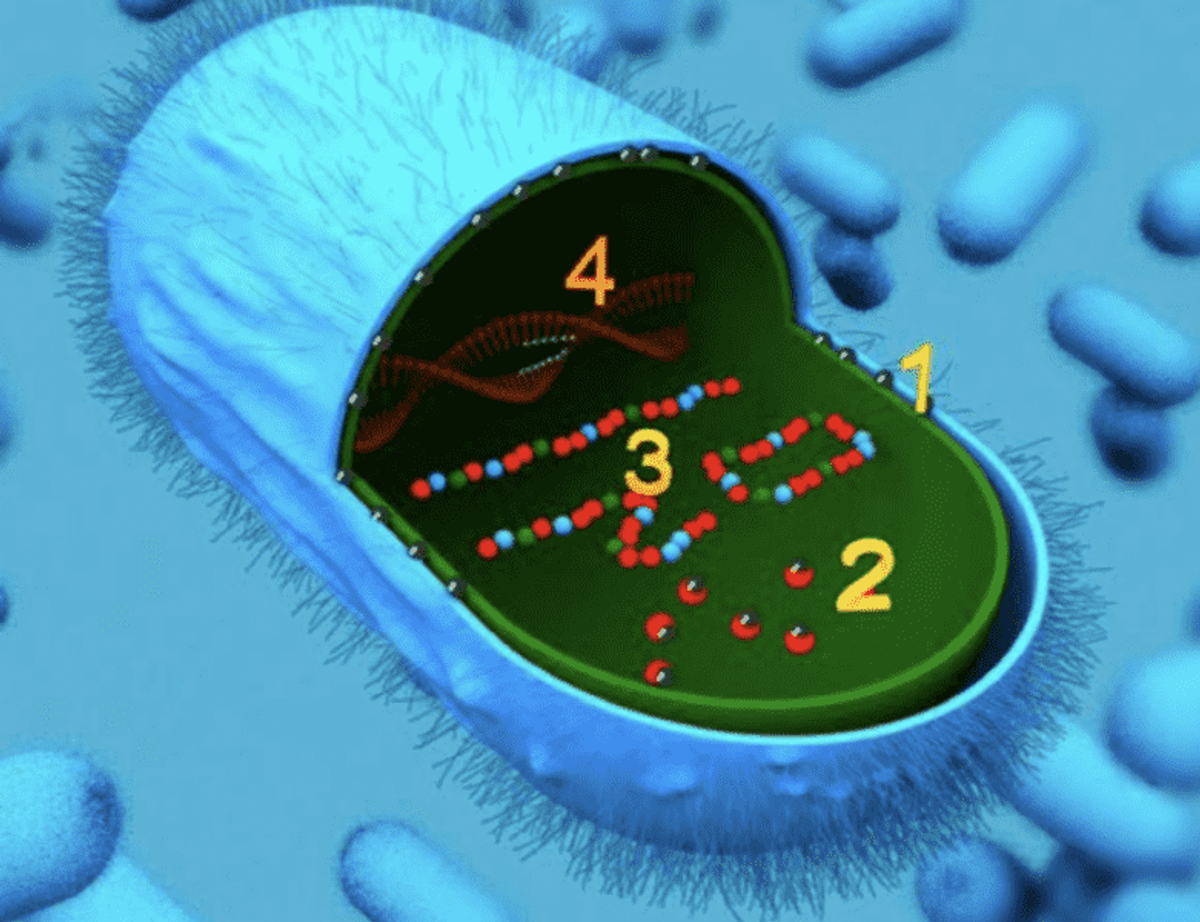
- Silver can perforate the peptidoglycan cell wall
- Silver inhibits the cell respiration cycle
- Metabolic pathways are also inhibited when in contact with silver
- Replication cycle of the cell is disrupted by silver particles via interaction with DNA
In addition to direct antimicrobial effects, silver exhibits notable anti-inflammatory properties in certain forms. Research has found that nanocrystalline silver can modulate the body's immune response in wounds. Silver nanoparticles down-regulate proinflammatory cytokines like TNF-α and IL-6 while also suppressing matrix metalloproteinases that contribute to chronic inflammation. In animal models of contact dermatitis, topical silver reduced excessive inflammation and induced apoptosis in hyperactive inflammatory cells, thereby accelerating resolution of inflammation. This dual action (killing microbes and calming inflammatory processes) explains why silver-based treatments can aid healing in infected, inflamed wounds. For example, patients with burn injuries treated with silver dressings often show reduced inflammatory exudate alongside infection control. Overall, the scientific basis of silver's therapeutic benefit lies in its broad biocidal mechanisms and its ancillary ability to promote a favorable healing environment by mitigating infection-driven inflammation.
4. Modern medical uses of silver
4.1 Silver in wound care and antiseptics
One of the most significant modern uses of silver is in wound management. Silver sulfadiazine (SSD) cream, introduced in the late 1960s, became a ubiquitous treatment for severe burns. It combines silver's bactericidal power with a sulfa antibiotic, providing broad antimicrobial coverage on burn surfaces. For decades, SSD was standard care for preventing burn wound infections, and it remains on the World Health Organization's List of Essential Medicines as a critical burn treatment. However, recent evidence has prompted a re-evaluation: clinical studies in the 2010s found that burns treated with SSD healed more slowly than those treated with newer dressings. Meta-analyses and a 2018 Cochrane review showed that alternative dressings (including some with silver) can lead to better healing and infection outcomes than silver sulfadiazine. Consequently, many burn centers now reserve SSD for initial infection control and switch to advanced wound dressings afterward.
Modern silver dressings are a major advancement in wound care. These include bandages and gels impregnated with various silver compounds or nanoparticles (e.g., silver-infused alginate fibers, foam dressings with nanocrystalline silver). The rationale is to provide continuous release of microbicidal silver ions at the wound site. The U.S. FDA has cleared numerous silver-containing dressings as medical devices for managing infected or high-risk wounds. In practice, silver dressings are used for chronic ulcers (like diabetic foot ulcers or venous leg ulcers) and extensive burns to reduce bacterial burden. Notably, a 2018 Cochrane review found that silver dressings may modestly increase healing rates in venous leg ulcers compared to non-silver dressings. Other trials have reported mixed results, with some showing reduced wound bioburden and others finding no significant difference in healing time. Consequently, clinical guidelines (such as those in the UK and Canada) recommend using silver dressings selectively, primarily for wounds that show signs of infection or are at high risk, and only for short durations to kick-start healing. Overuse on clean, uninfected wounds is discouraged since silver can impede the activity of keratinocytes and fibroblasts, potentially delaying healing if misapplied.
Beyond dressings and creams, silver nitrate remains in use as a caustic antiseptic. Sticks of silver nitrate are used by dermatologists and surgeons to chemically cauterize wounds, ablate hypergranulation tissue, or treat small infections (e.g., applying to an infected umbilical stump or a mouth ulcer). Though an old remedy, it is still effective for these niche indications, as the silver nitrate releases Ag⁺ ions that destroy bacteria and necrotic tissue on contact. In some developing regions, dilute silver nitrate solution is also applied to chronic wounds as a low-cost antiseptic, echoing its historical use.
4.2 Silver-coated medical devices
Implantable medical devices and hospital instruments have embraced silver coatings to combat device-related infections. A prime example is the silver-alloy urinary catheter, developed in the 1990s to reduce catheter-associated urinary tract infections (CAUTIs). These catheters are coated on their inner or outer surfaces with a thin layer of silver (often a silver alloy with gold or platinum to enhance ion release). Studies have found that short-term use of silver-alloy Foley catheters can lower bacterial colonization and asymptomatic bacteriuria compared to standard catheters. A comprehensive review by the CDC noted a decreased risk of bacteriuria (especially in catheters under one week of use) with silver-coated catheters, without evidence of increased silver-related resistance. However, the impact on symptomatic UTIs is modest, where only one large study showed a significant drop in infection rates. Due to cost considerations, many hospitals use these catheters selectively (e.g., for high-risk patients or perioperative use), rather than as standard for all patients.
Another application is silver-coated endotracheal tubes in ventilated patients. Ventilator-associated pneumonia (VAP) can originate from bacterial biofilms inside breathing tubes. Tubes with a silver-sulfate coating have demonstrated lower VAP incidence in clinical trials. The silver disrupts biofilm formation and continuously disinfects the tube's lumen. For instance, a multi-center study reported that silver-coated endotracheal tubes significantly delayed the onset of pneumonia in ICU patients. Such tubes have been approved by the FDA and adopted in some intensive care units as an infection control measure.
Beyond tubes and catheters, surgical implants with silver are being explored. Orthopedic implants (bone pins, joint prostheses) can be plasma-coated with a thin silver layer to prevent postsurgical infection—a serious complication in joint replacements. In Europe, certain trauma centers have used silver-coated external fixator pins in open fractures with some success in reducing infection rates. Cardiac implantables like ventricular assist devices and heart valves have also been tested with silver or silver-ion polymer coatings to stave off device-related infections. These applications are still emerging, and long-term data are limited, but early results are promising in terms of keeping implants sterile during the critical postoperative period.
Hospital surfaces and instruments form another category: silver-impregnated materials are used in everything from wound sutures to hospital linens. For example, some central venous catheters have silver-impregnated cuffs at the insertion site to reduce skin flora migration. Likewise, wound closure devices and surgical cables may incorporate silver to minimize infection risk.
4.3 Pharmaceuticals and special therapies
Silver is seldom used internally today; silver-based drugs are limited to topical use (e.g., silver sulfadiazine, one of the few FDA-approved silver drugs, indicated for burns). Another example is silver nitrate 0.5% drops, formerly ubiquitous for newborn prophylaxis; while largely replaced by antibiotics, some regions still legally mandate it for newborns if erythromycin ointment is unavailable. Silver diamine fluoride (SDF) has gained traction in dentistry over the past decade; a 38% silver fluoride solution applied to dental caries to arrest decay and prevent progression. SDF is not ingested but topically applied to teeth, where it hardens the dentin and kills caries-causing bacteria. The FDA cleared SDF in 2014 as a device for treating tooth sensitivity, and it has since been widely adopted off-label to treat cavities, especially in pediatric and geriatric dentistry. Its dual action (remineralizing and counteracting bacteria) highlights silver's versatile utility beyond skin wounds in infectious disease.
Some experimental research combines silver nanoparticles with clinical antibiotics to overcome resistant bacteria, as silver can disrupt bacterial defenses and enhance antibiotic entry. A few clinical trials have tested colloidal silver inhalation in combination with antibiotics for multidrug-resistant lung infections, though results are not yet conclusive. Importantly, colloidal silver for internal use is not an approved pharmaceutical (see regulatory section), but interest in novel silver-based therapies persists, given the urgent need for new antimicrobials in the era of antibiotic resistance.
5. Efficacy and scientific evidence
Silver's efficacy is supported by a robust body of scientific evidence, particularly for topical and device-based applications. Clinical studies, such as those reviewed in the 2018 Cochrane review, demonstrate that silver dressings can reduce bacterial burden in chronic wounds and may modestly improve healing rates in venous leg ulcers. For medical devices, trials like the multi-center study on silver-coated endotracheal tubes show a significant delay in ventilator-associated pneumonia onset. Similarly, silver-alloy urinary catheters reduce asymptomatic bacteriuria, as noted by the CDC, though their impact on symptomatic infections is less pronounced.
It's worth noting that human clinical data on silver's anti-inflammatory benefit is still emerging. Some studies on nanocrystalline silver dressings report decreased levels of inflammatory cytokines in wound fluid, correlating with improved healing in chronic ulcers. These findings align with laboratory evidence and provide a mechanistic explanation for the anecdotal observation that silver-treated wounds can be less red and swollen. Still, more research is needed to fully quantify this effect.
Overall, the scientific evidence supports silver as an effective adjunct for infection control in specific scenarios. It is not a panacea or a replacement for systemic antibiotics (which are far more proven for treating established internal infections). Instead, silver's value lies in surface-level antimicrobial protection, preventing bacteria from taking hold on wounds, devices, and tissue surfaces. When used appropriately, this can reduce infection rates and improve outcomes, but when overused or used inappropriately, it offers little advantage and can even cause harm. Thus, modern medical practice integrates silver in a targeted manner, guided by evidence from studies like those cited in the references.
6. Safety, limitations, and challenges to wider adoption
Despite its antimicrobial virtues, silver has not become a ubiquitous cure-all in medicine. Several factors have limited its wider adoption and ensure it is used judiciously.
Toxicity and tissue effects
Silver is generally safe in approved topical applications (low systemic absorption), but it can be toxic if accumulated in the body. The most visible effect is argyria, an irreversible blue-grey discoloration of skin and mucosa caused by silver deposition. Argyria has been documented since the 19th century in patients who ingested silver or received high-dose silver treatments. While largely cosmetic, argyria signals excessive exposure. Regulators like the U.S. EPA and FDA have set strict reference dose limits for chronic silver intake (for example, FDA once recommended <750 mg total intake over short periods to avoid argyria). Besides skin discoloration, chronic silver exposure can cause organ deposition (in liver, kidney, spleen) and has potential neurologic or renal effects if levels get high. In modern clinical use, significant systemic absorption is rare. For instance, <1% of silver from dressings is absorbed into the bloodstream. Nonetheless, local cytotoxicity is a concern: silver can impair wound healing by killing not only bacteria but also human cells (fibroblasts, keratinocytes) if concentrations are too high. This is why many protocols limit the duration of silver dressing use and avoid silver in fresh, non-infected wounds. The balance between antimicrobial effect and host cell safety is a key consideration limiting indiscriminate silver use.
Lack of broad-spectrum adoption & resistance issues
Paradoxically, one reason silver isn't more widespread is the success of antibiotics. When penicillin and subsequent antibiotics proved highly effective with targeted action and oral dosing, silver's systemic use faded. Silver's role became confined to niches where antibiotics are less effective (surface prevention, device protection). Additionally, while silver resistance is uncommon compared to antibiotic resistance, it is not impossible. Bacteria exposed to silver can develop adaptive mechanisms (e.g., efflux pumps or binding proteins). Genes for silver resistance (the sil operon) have been identified on plasmids in some hospital isolates of E. coli and Klebsiella . So far, clinically significant silver-resistant infections are very rare. However, the co-occurrence of sil genes with antibiotic resistance genes on the same plasmid is a worry—heavy use of silver might co-select for multi-resistant bacteria. Scientific consensus holds that while the multi-target action of silver makes full resistance difficult to achieve, prudent use is wise to prevent fostering any silver-tolerant strains. This cautious approach has tempered enthusiasm for deploying silver everywhere in healthcare.
Cost and cost-benefit considerations
Silver-containing products are usually more expensive than standard alternatives. For example, silver dressings can cost several times more than plain gauze. In the UK, the National Health Service's wound care budget in 2006 illustrated this disparity: silver dressings accounted for only a small fraction of dressings used but consumed a significant portion of total dressing costs due to their higher unit price. Hospital administrators and insurers require evidence that the added cost translates to better outcomes. In cases like catheters or central lines, a silver-coated device might cost $10-20 more but could save a costly infection—a trade-off that makes sense for short-term use in high-risk patients. But routine use in all patients might not be cost-effective if the absolute infection risk is low. Cost-benefit analyses and insurance coverage thus play a role: some healthcare systems restrict silver product usage to specific indications or require specialist approval. The cost factor, especially in resource-limited settings, limits global adoption—developing countries may opt for cheaper antiseptics (iodine, alcohol, chlorhexidine) unless a clear benefit of silver is demonstrated.
Regulatory and ethical scrutiny
Regulatory agencies demand rigorous proof of safety and efficacy for medical products, and silver is no exception. While devices like dressings and catheters have been cleared based on performance data, ingestible or systemic silver products have faced regulatory crackdowns. The U.S. Food and Drug Administration (FDA) has ruled that over-the-counter colloidal silver cannot be marketed as a drug or dietary supplement for disease treatment. In 1999, the FDA issued a final rule banning colloidal silver drug products, declaring them not recognized as safe or effective for any condition. The FDA and FTC have since actively issued warnings and taken action against companies making health claims about colloidal silver. This stance has kept unproven silver remedies largely out of pharmacies. In Europe, regulatory oversight is similarly strict: silver-containing wound dressings and devices are regulated as medical devices, requiring CE marking and evidence that they do not release unsafe levels of silver into the body. The European Medicines Agency (EMA) evaluates any silver in drug products for safety—for instance, silver sulfadiazine is approved as a prescription topical drug in the EU, but colloidal silver has no approval for medicinal use. Additionally, the EU's Biocidal Products Regulation governs silver used as an antimicrobial in consumer or environmental products. Some silver compounds (like certain silver zeolites or nanoparticles) have undergone review by the European Chemicals Agency for safety: in fact, an EU committee recently recommended against approving certain nanosilver biocides due to insufficient data on safety. These regulatory hurdles ensure that silver products on the market have a favorable risk-benefit profile—but they also mean bringing new silver therapies to market requires substantial investment in research and testing.
Environmental and long-term considerations
Another modern concern is the environmental impact of widespread silver use. Silver that washes off from dressings or is excreted can enter water systems, potentially harming aquatic ecosystems. Regulatory bodies like the WHO set guidelines for silver in drinking water (0.1 mg/L) to balance its antimicrobial benefits with environmental and health safety.
7. Perspectives from regulatory bodies
Global health authorities recognize both the value and risks of silver in healthcare. The World Health Organization (WHO) includes certain silver-based interventions in its global guidance, reflecting an acknowledgement of their importance in care. Notably, WHO's Model List of Essential Medicines lists Silver Sulfadiazine 1% cream as an essential topical agent for burn management. This endorsement indicates that WHO considers SSD both effective and necessary for basic healthcare systems, especially in resource-limited settings where burns are common and alternative advanced dressings may be unavailable. Conversely, WHO and other international public health bodies have warned against unproven uses of silver. During public health crises (for example, the COVID-19 pandemic), WHO collaborated with regulatory agencies to debunk claims that ingesting silver could prevent or cure viral infections, emphasizing the lack of evidence for such uses and highlighting the risk of toxicity. In water and sanitation, WHO's water quality guidelines acknowledge silver's antimicrobial properties but recommend limits for silver in drinking water (a guideline value of 0.1 mg/L, as silver is not essential and high levels could be toxic). Overall, WHO supports silver in evidence-based roles (topical antibiotic, disinfectant) but also plays a role in disseminating knowledge about its safe use and the lack of benefit in internal use.
In Canada and Australia, health regulators mirror U.S./EU approaches. Health Canada permits silver in medical devices and wound care products but classifies colloidal silver as an unsafe natural health product if marketed with therapeutic claims, having banned such sales in the early 2000s. Australia's TGA allows prescription silver medicines (SSD is available) and has approved certain nanosilver wound dressings, while prohibiting oral colloidal silver supplements. These consistent positions across high-income countries create a global consensus:
- Topical or device-based silver = acceptable with evidence
- Systemic silver = discouraged/unauthorized due to risk
In some parts of Asia, traditional use of silver supplements persists culturally, but official medical guidelines (for instance, the Indian Council of Medical Research or China's National Medical Products Administration) do not endorse silver ingestion therapy.
In summary, regulatory bodies worldwide have carved out a legitimate space for silver in healthcare (primarily in external, controlled applications) and continue to oversee its use to ensure patient safety. The careful oversight by FDA, EMA, WHO, and others is a major reason silver has remained a beneficial servant in medicine and not a dangerous master, preventing a repeat of past abuses while still harnessing its "silver bullet" potential against microbes.
8. Conclusion
Silver occupies a unique niche in modern healthcare as both a historical curio and a contemporary tool. From its 19th-century heyday as the premier antiseptic to its displacement by antibiotics, and finally its resurgence in specialized uses, silver's journey is a testament to scientific progress and prudence. Today, silver in healthcare is about balance, leveraging its potent antimicrobial and anti-inflammatory properties in wound dressings, coatings, and creams, while respecting the limitations of toxicity, cost, and incomplete efficacy. Advances in materials science (like nanotechnology) are refining how silver is delivered, making it more effective and safer than the crude formulations of the past. Key studies and clinical experience support silver as an adjunct to prevent infection in burns, chronic wounds, catheters, and implants, especially as antibiotic-resistant infections pose growing challenges. Yet, the cautious approach mandated by regulators and clinicians alike means silver is used strategically, not ubiquitously.
Looking ahead, research continues into novel silver-based therapies, from anti-cancer formulations to coatings for new biomedical devices, but such innovations will need to surmount thorough regulatory scrutiny and demonstrate clear benefits. The story of silver in medicine illustrates how an ancient remedy can retain relevance in the 21st century, not by uncritical adoption, but by rigorous validation and staged application. In the current era, silver remains a valuable component of the medical arsenal, an "old-fashioned" remedy polished for modern needs. As long as its use is guided by evidence and oversight, silver will continue to shine (in a controlled way) in healthcare around the world, contributing to infection control and patient healing where it is needed most.
References
- Kazi Sarjana Safain, Mohammed Sazzadul Islam, Jumanah Amatullah, Mohammad Al Mahmund-U-U-Nabi, Golom Surower Bhuyan, Jakia Rahman, Supprooth Kumar Sarker, Md Tarikul Islam, Rosy Sultana, and Firdasui Qadri. Prevalence of silver resistance determinants and extended-spectrum β-lactamases in bacterial species causing wound infection: First report from Bangladesh. New Microbes and New Infections , 52:101104, 2023.
- Bishara S Atiyeh, Michel Costagliola, Shady N Hayek, and Saad A Dibo. Effect of silver on burn wound infection control and healing: Review of the literature. Burns , 33(2):139–148, Mar 2007.
- Yimin Qin. Silver-containing alginate fibres and dressings. Int Wound J , 2(2):172–176, Jun 2005.
- Serenella Medici, Massimiliano Peana, Valeria M Nurchi, and Maria Antonietta Zoroddu. Medical uses of silver: History, myths, and scientific evidence. Journal of Medicinal Chemistry , 62(13):5923–5943, Jul 2019.
- Andrew May, Zilako Kopecki, Bernard Carney, and Allison Cowin. Antimicrobial silver dressings: A review of emerging issues for modern wound care. ANZ J Surg , 92(3):279–384, Mar 2022.
- J Wesley Alexander. History of the medical use of silver. Surgical Infections , 10(3):289–292, 2009. PMID: 19566416.
- J A Horst. Silver fluoride as a treatment for dental caries. Adv Dent Res , 29(1):135–140, Feb 2018.
- Serenella Medici, Massimiliano Peana, Guido Crisponi, Valeria M Nurchi, Joanna I Lachowicz, Maurizio Remelli, and Maria Antonietta Zoroddu. Silver coordination compounds: A new horizon in medicine. Coordination Chemistry Reviews , 327–328:349–359, 2016. A Special Issue in Honor of Professor Henryk Kozlowski.
- U C Schaller and V Klauss. Is Crede’s prophylaxis for ophthalmia neonatorum still valid? Bull World Health Organ , 79(3):262–263, 2001.
- Ibrahimi Khansa, Anna R Schoenbrunner, Casey T Kraft, and Jeffrey E Janis. Silver in wound care—friend or foe?: A comprehensive review. Plast Reconstr Surg Glob Open , 7(8):e2390, Aug 2019.
- Wilson Sim, Ross T Barnard, M A T Blaskovich, and Zyta M Ziora. Antimicrobial silver in medicinal and consumer applications: A patent review of the past decade (2007–2017). Antibiotics (Basel) , 7(4), Oct 2018.
- James W Lederer, William R Jarvis, Lendon Thomas, and Jaime Ritter. Multicenter cohort study to assess the impact of a silver-alloy and hydrogel-coated urinary catheter on symptomatic catheter-associated urinary tract infections. J Wound Ostomy Continence Nurs , 41(5):473–480, Sep–Oct 2014.
- K Schumm and T B L Lam. Types of urethral catheters for management of short-term voiding problems in hospitalized adults: A short version Cochrane review. Neurourol Urodyn , 27(8):738–746, 2008.
- Alan B G Lansdown. Silver in health care: Antimicrobial effects and safety in use. Curr Probl Dermatol , 33:17–34, 2006.
- Robert Denison Griffith, Brian J Simmons, Mohammad-Ali Yazdani Abyaneh, Fleta N Bray, Leyre A Falto-Aizpurua, and Keyvan Nouri. Colloidal silver: Dangerous and readily available. JAMA Dermatology , 151(6):667–668, 2015.